


Real Lycopene from Tomato
Relyto™, The premium lycopene extract from carefully selected tomatoes grown under controlled conditions to ensure superior quality.
Quality , traceability and sustainability
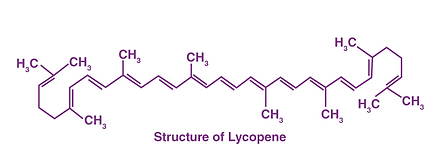
Lycopene
Lycopene (C₄₀H₅₆) is a naturally occurring, polyunsaturated acyclic carotenoid characterized by 11 conjugated double bonds, which are responsible for its strong antioxidant activity. Unlike β-carotene, lycopene does not possess provitamin A activity. However, it is regarded as one of the most efficient singlet oxygen quenchers among dietary carotenoids, demonstrating greater antioxidant capacity than β-carotene and α-tocopherol.
Lycopene exhibits potent singlet oxygen–quenching and free radical scavenging properties, contributing to its biological significance in reducing oxidative stress. Since humans are unable to synthesize lycopene endogenously, it must be obtained through dietary sources. It is predominantly found in tomatoes and other red fruits, with tomatoes accounting for approximately 85% of total dietary lycopene intake.
Highest quality lycopene extract derived from carefully selected tomato species Solanum lycopersicum

Ingex Botanicals manufactures Relyto™, the high-quality lycopene extract derived from carefully selected tomato species (Solanum lycopersicum), cultivated under controlled agricultural practices to ensure optimal phytonutrient content and quality.
The production process begins with deseeded tomato purée to ensure uniformity and optimized extraction efficiency. Lycopene is extracted using ethanol under controlled conditions to preserve its stability and antioxidant integrity. The final extract is standardized for lycopene content using HPLC/UV methods to ensure batch-to-batch consistency, purity, and compliance with quality specifications.
Health Benefits of Lycopene
Potent Antioxidant
Cardiovascular Support
Metabolic Health
Prostate Health
Skin Health & Photoprotection
Eye Health
Lycopene is one of the most efficient singlet oxygen quenchers among dietary carotenoids. It neutralizes reactive oxygen species such as singlet oxygen, superoxide radicals, hydroxyl radicals, and peroxynitrite, thereby protecting DNA, proteins, and membrane lipids from oxidative damage. This antioxidant action plays a key role in reducing oxidative stress at the cellular level.
Lycopene may support cardiovascular health by reducing LDL oxidation, improving endothelial function, and decreasing platelet aggregation. It has also been associated with modulation of inflammatory biomarkers. Observational studies indicate an inverse association between circulating lycopene concentrations and the risk of cardiovascular disease.
Emerging evidence suggests that lycopene may support metabolic health by influencing oxidative stress and inflammatory pathways linked to insulin resistance and metabolic imbalance. Some studies indicate associations between higher lycopene status and improved glycemic markers, lipid profiles, and reduced risk factors related to metabolic syndrome.
Lycopene preferentially accumulates in prostate tissue at higher concentrations than many other tissues. It may support prostate health by reducing oxidative stress, modulating inflammatory pathways, and influencing cell signaling mechanisms involved in cellular growth regulation. Epidemiological studies suggest that higher dietary intake of lycopene is associated with improved prostate health markers and a reduced risk of prostate-related disorders.
Lycopene accumulates in the skin and contributes to protection against UV-induced oxidative damage. It may help reduce erythema (sun-induced redness) and support skin resilience by strengthening the skin’s antioxidant defense system.
As a carotenoid with strong antioxidant properties, lycopene contributes to retinal protection against oxidative stress and may play a supportive role in maintaining visual health, including protection against age-related macular changes.
Beyond its nutritional and antioxidant significance, lycopene is widely utilized as a natural food colorant, imparting a stable red hue to a variety of food and beverage applications.
Grades avaible
Lycopene 1% to 80 % available in powder form
Lycopene 1% to 30 % available in oil form
Lycopene 1% to 50 % available in granules/ beadlets form
Water Soluble Powder / granules
Lycopene 5%, 10% ,20%
Disclaimer: These statements have not been evaluated by the Food and Drug Administration. This product is not intended to diagnose, treat, cure, or prevent any disease. Please consult your healthcare practitioner before using this product
.png)
